
When we lose someone, the world suddenly feels thin. The person who took up so much space in our lives is gone, and we are left navigating an environment that feels strangely empty. In these moments, grief isn’t just an emotional process; it’s a physical one.
This is where tangible items—the “stuff” left behind—become more than just objects. They become anchors in the storm of loss.
Why Objects Matter When People Are Gone
Grief is often described as “love with nowhere to go.” When we can no longer hug a person or hear their voice, our brain look for a proxy. Physical objects bridge the gap between presence and absence.
- The Sensory Connection: A tattered flannel shirt still carrying a hint of their cologne or a handwritten recipe card with their distinct loops and curls provides a sensory hit that a digital photo simply can’t match. These items trigger “procedural memory,” grounding us in the reality of the life they lived.
- Transitional Objects: Much like a child uses a security blanket to feel safe when a parent is in the next room, adults use “linking objects” to maintain a connection to the deceased. Holding their watch or sitting in their favorite chair provides a sense of safety and continuity.
- A Witness to History: Objects are evidence. They prove that the person existed, that they had tastes and habits, and that they left a mark on the physical world.
The Sacredness of the Mundane
It’s rarely the expensive jewelry or the formal portraits that hold the most power. Usually, it’s the mundane items that carry the heaviest emotional weight:
- Handwriting: There is something deeply intimate about a grocery list or a “back in 10” note. It is a direct physical trace of their hand moving across a page.
- Well-Worn Clothes: The way a pair of boots is scuffed or a sweater is pilled at the elbows tells a story of a body in motion.
- Hobby Tools: A rusted garden trowel or a seasoned cast-iron skillet represents the passions and the daily rhythms that defined them.
“We keep things not because we are sentimentalists, but because these items are the physical manifestations of a story that hasn’t finished being told.”
Navigating the “Clutter” of Grief
One of the hardest parts of grieving is deciding what to keep and what to let go. There is often a sense of guilt associated with “getting rid of” a loved one’s belongings. If you are in this season, remember:
- There is no timeline. If you aren’t ready to open the closet, don’t.
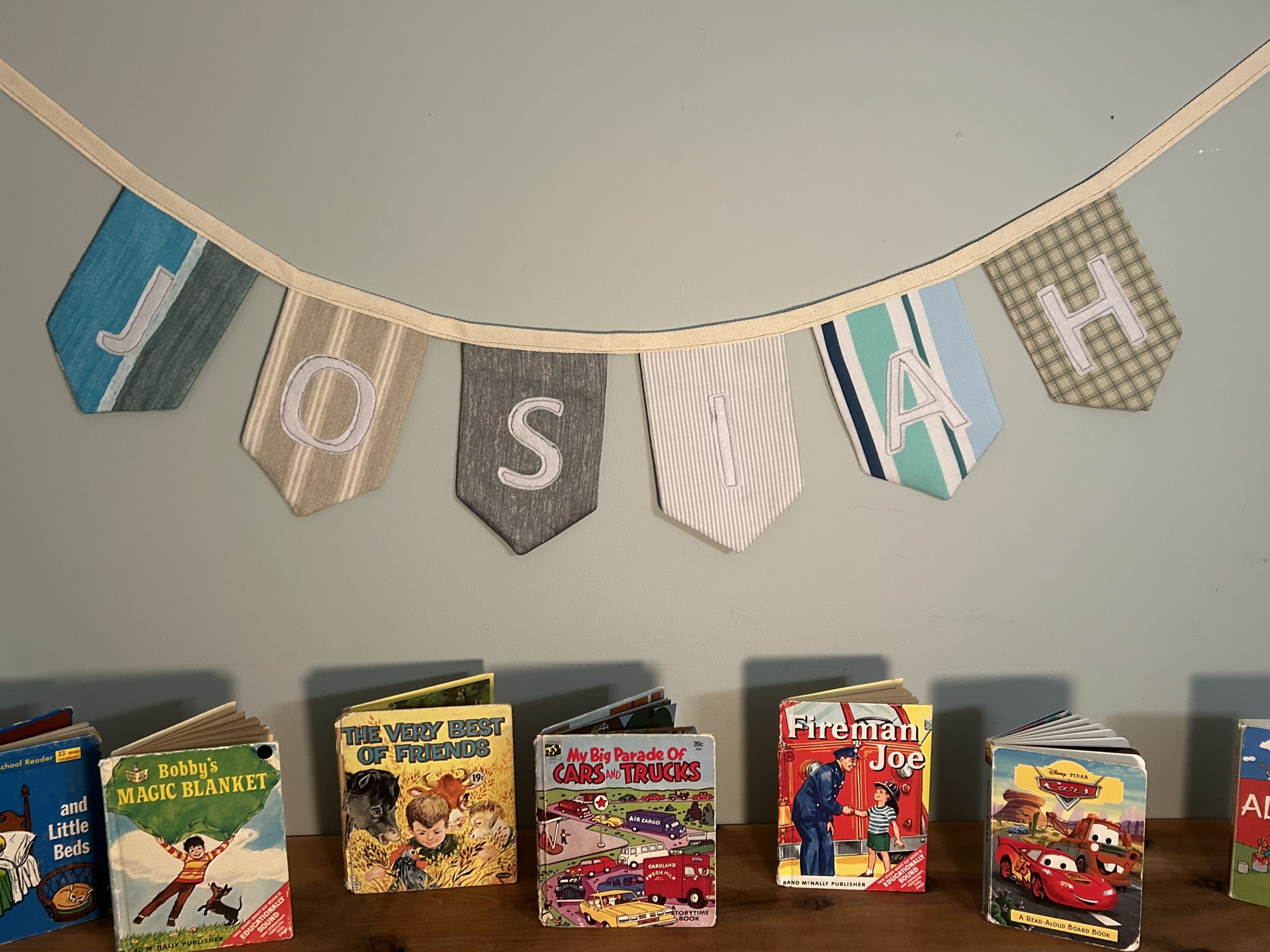
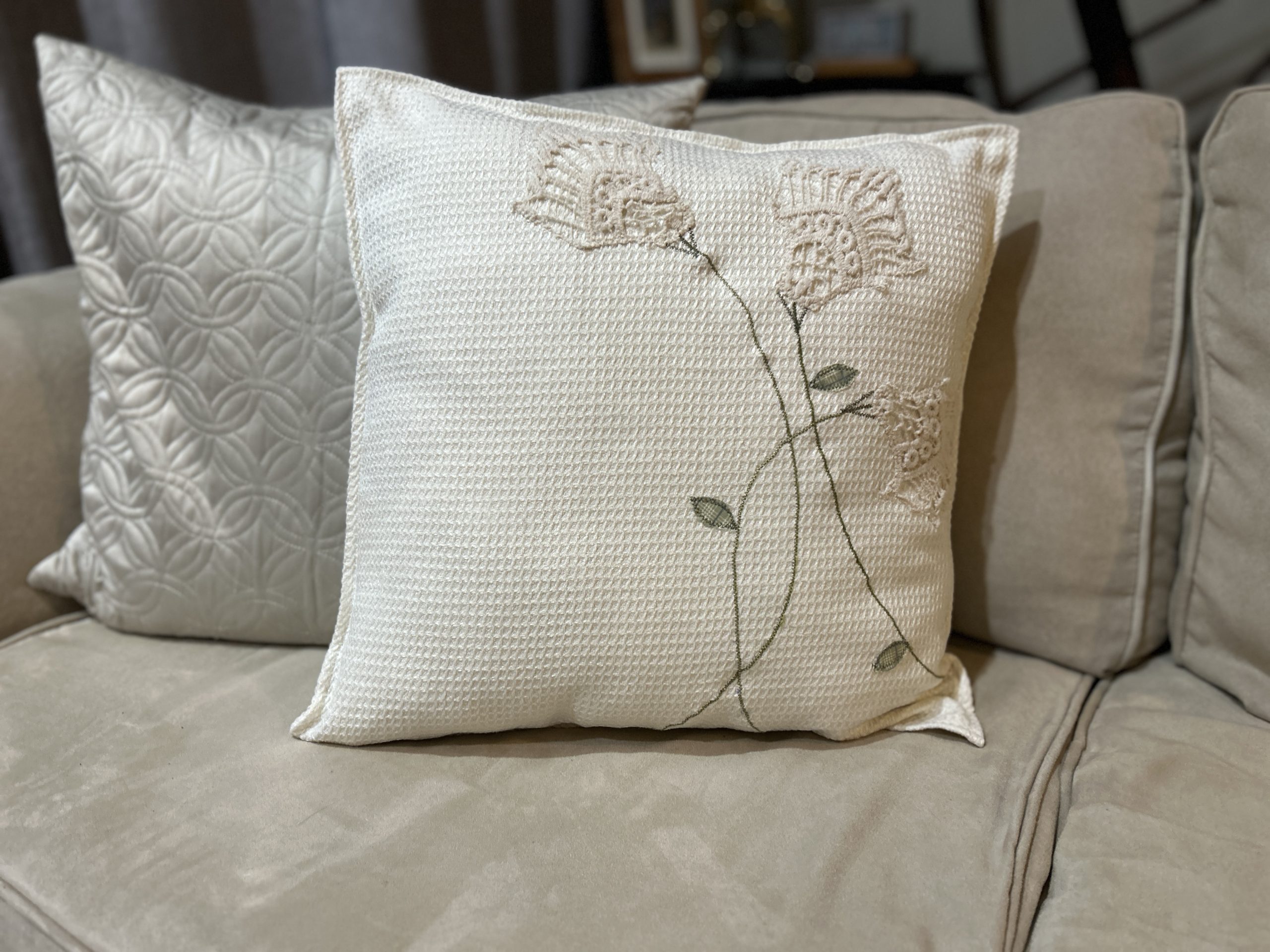
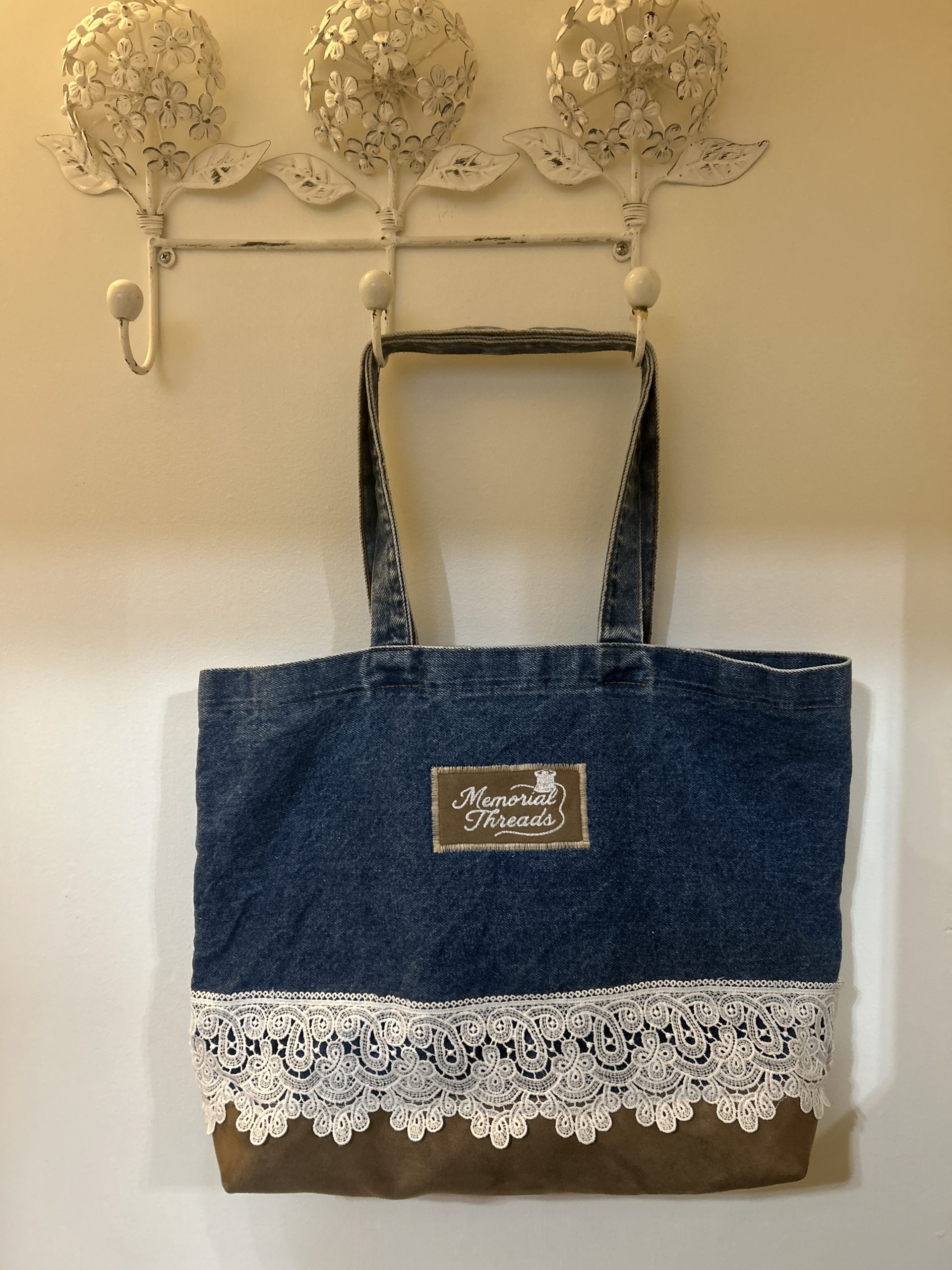
- Repurposing is powerful. Many find healing in turning old shirts into a “memory quilt” or a pillow. It transforms an item you can’t wear into something you can hold.
- Quality over quantity. Keeping three items that deeply spark a memory is often more healing than keeping a basement full of boxes you’re afraid to look at.
Honoring the Connection
Tangible items aren’t just reminders of death; they are celebrations of life. They allow us to carry a piece of our loved ones into our new reality. By touching what they touched, we acknowledge that while they may be gone, the impact they had on our world remains solid, heavy, and real.